
How to Choose a Business Name – An Introduction

At BrandBucket, we are consistently thinking about the various words, sounds, letter combinations and characteristics that contribute most to a good business name. After years of building companies and watching other companies get built, we finally decided to develop a short list of the common characteristics that all good brands seem to have. We came up with ten categories or “traits” that make up a good name: Length, Real Word/Expression, Alphabet, Pronunciation, Spelling, Conflicts, Industry Match, Longevity, Uniqueness, and General Retention. We then added an extra category specific to domain names: TLD (Top Level Domain). We hope this helps you in choosing a business name that is right for you.
Find a name in the bucket
BrandBucket is your marketplace for ready-to-use brandable domain names. Click here to browse our list of .com domains for sale.
To help us organize the domains in our portfolio, we developed a ranking system based upon these eleven traits. Each trait carries a certain value, which assigns the domain a score out of a total of 100 points. We give a basic breakdown of the traits below and show the relative importance (in points) of each. If you would like to try scoring your own names, we have developed a handy Domain Evaluator utility that you can download free of charge.
We will also be writing a dedicated blog post for each of the eleven traits below that provides more insight and examples. Keep an eye out for new entries in the the How to Choose a Business Name series.
The BrandBucket domain name scoring method:
TLD (12 points)
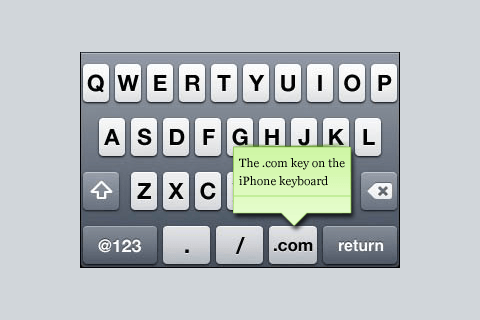
The Top Level Domain (.com, .net, etc.). BrandBucket features only .com domain names, which is important for worldwide branding and exposure.
Length (20 points)
The length of a domain name (4 letters, 5 letters, etc.) is exponentially important as the name gets shorter. Shorter domains are easier to type, and easier to remember because they have fewer potential spelling variations.
Real Word/Expression (10 points)
How close the name is to a dictionary word or common phrase factors in to retention and direct “type-in” traffic.
Alphabet (3 points)
Based solely on the fact that most directories of companies and products are sorted alphabetically, names starting with letters at the beginning of the English alphabet have a greater chance of being seen.
Pronunciation (10 points)
How many variations of the pronunciation are there? Does it work well across speakers of different languages? Most importantly, do users experience a moment of hesitation before trying to say the name?
Spelling (10 points)
A good domain name has few or no alternate ways it can be spelled.
Conflicts (5 points)
Are there existing businesses using the name? Is it a common surname? The fewer existing uses for the name the better the score. BrandBucket never promotes buying a name in direct conflict with an existing trademark.
Keyword Match (10 points)
A name that has a logical match to a particular industry or application, versus a generic name, has a greater potential for retention among customers.
Longevity (5 points)
Is the name or its spelling based on a current trend, or will it be applicable for a long time to come?
Uniqueness (5 points)
A name that sounds similar to other existing brands, or that mimics a naming pattern of existing brands, will have difficulty growing into its own identity.
General Retention (10 points)
This is the most difficult of all features to score. Mostly a “je ne sais quoi” feeling for how memorable a domain is, retention can relate to the consonant/vowel construction compared to spoken language, memorable letters, repeated letters, etc.
Start your search for brandable domain names now, or read more tips on how to choose a business name.